Claeys Road Diaries
“Of all the paths you take in life, make sure a few of them are dirt" ~John Muir
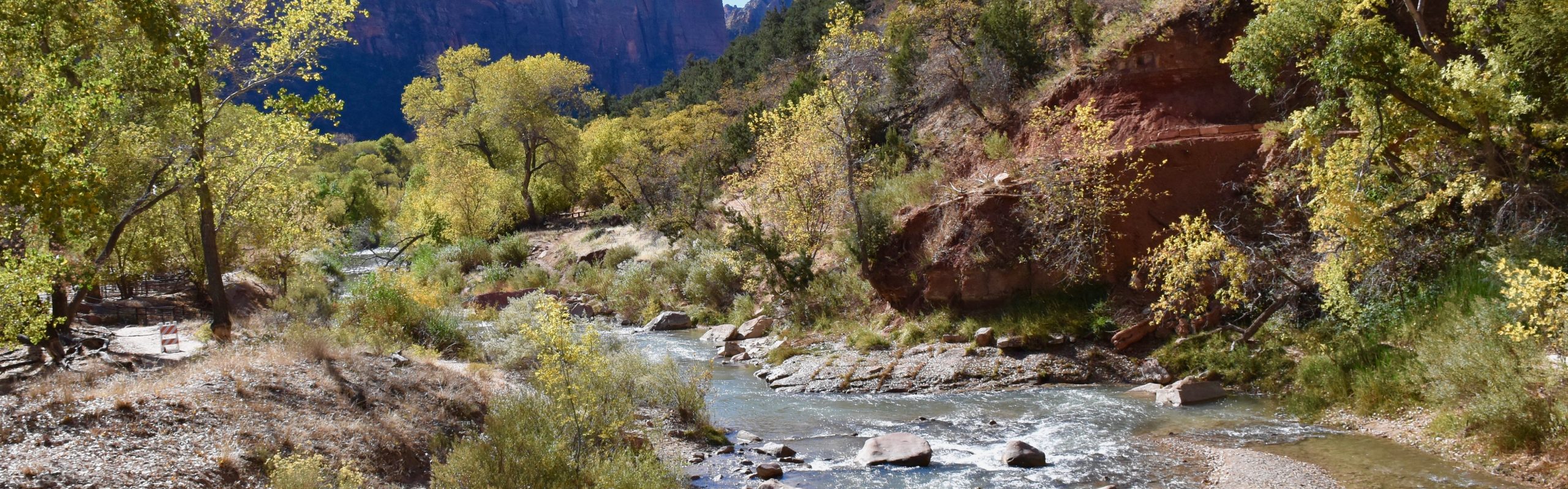
YOSEMITE – THANK YOU MR. MUIR #nps #yosemite #johnmuir
Here we are in Yosemite, and I have visions of John Muir, the Scottish naturalist/environmentalist who was responsible for having this amazing area made into a national park, protecting it for all future generations to be amazed by. Muir was an “ambassador” for the park, spending years here leading tours and hikes for the many visitors that increased every year. Thank you John, as the wonders of nature are on full display here in their jaw dropping best. From the peaks to the valleys, to the meadows, Yosemite doesn’t let you down and it makes it evident why this park is full of visitors, even in the fall.
For us, it was even more special as our sons Mike and Matt flew out to meet us there and spend 5 days together exploring Muir’s backyard. The valley was crowded, as expected, but we were able to catch some of the more famous sites from down below like El Capitan (the rock climbers superbowl), Half Dome, the amazing Awahnee Lodge, a short hike to Mirror Lake, etc. The best of the park comes when you’re able to get out on the trail, and like all of the national parks we have visited so far, if you are going to hike, you need to get to the trail head early. It was about an hour and a half drive to the north part of the park from our camp and we got to the trailhead about 8AM. It was chilly, probably in the mid 40’s when we set out. Our first significant hike, about 10 miles, was going to be to the top of the North Dome, which would give us beautiful vistas of the valley below as well as Half Dome and Glacier Point. It was also a spectacular spot to enjoy lunch and the beautifully sunny day. There’s a lot of ways to enjoy nature and to enjoy the park. There are a lot of visitors who spend their time in the park driving from site to site in their cars and taking pictures. They don’t get into the “back country”, they don’t really put their feet “on the ground”. It’s easy to stick your (my) nose up at these “types”. But something is better than nothing with nature. We all need and benefit from connecting with the natural world. We all renew our place in the natural world when we spend time there. My grandfather, Peter Claeys, grew up as an immigrant child in Paterson, New Jersey, in the 1880’s and 90’s when much of it was still farmland and woods. His childhood was spent hunting and fishing in areas that would become industrialized and eventually the inner city. Later, as a foreman in a foundry, he would spend his Sundays taking the family on drives through the “country”. It was his way of re-connecting. He worked all week and hiking was not a way to enjoy his day of rest, but, re-connecting with the natural world was. Now, is this the way that we want to pass through the National Parks? No. I want to feel the forest floor under my feet, the sun on my face, the scent of pine in my nose, the breeze on my body, and the sweat on my brow. I want to engage in the experience as fully as possible with all that’s around us. We want the full experience, because we “can” and are able to get it, and if my later years come around when I can’t, then I may do Sunday drives, and trips like this will provide rich fodder with which to reminisce. So, engaging is a matter of degree’s, and it’s not for us to judge those in the cars, who are still doing more engagement than those who are plopped down in front of their TV or computer.
We had planned to do a second hike up to Glacier Point but that didn’t happen so we opted for plan B, which was to drive up and take in the amazing views it provided. On the way up to the point, we experienced about a 30-40 minute delay due to forest fires that had reached the sides of the road. Just seems like we can’t get away from them. They’ve been following us since we left Glacier National Park in Montana. Everything you hear about the drought and temperatures and fires in the west are really true, and sad.
After hiking, great times also took place back at the campsite where we celebrated our family “Oktoberfest” together, minus the rest of the crowds of friends and family who would normally be there. With the full Claeys family in attendance, Mike did most of the cooking and we indulged in some great Oktoberfest Biers from Munich while we watched him prepare the feast. The food, bier, company, and location couldn’t be better. For sure, the larger event will return in 2018, but for now, this was a truly special occasion.
Our five days in Yosemite with Mike and Matt definitely ended too soon. Spending time with those two guys and doing it in the wonders of Yosemite was definitely the highlight of our trip so far, even if we would have liked to have spent more time here to do more hiking and visiting more locations in the park. Maybe the future will afford us another trip to do that but in the mean time, we can’t wait till the Christmas holidays when we’ll see Mike and Matt again out here in Las Vegas with their grandparents. As we left the park by driving across it through Tioga Pass, we encountered the first snows of the season here. It was a little touch and go as the accumulations on our passing was approaching 3 inches and we were traveling narrow mountain roads up high. It was beautiful though and afforded us the first opportunity to see the parks in a season other than summer. Thanks again John Muir ,and I am hoping that many of the young people who we passed in the park were as touched by the beauty of Yosemite as to become advocates for these national treasures as you were.
PARK ECOLOGY
As with many of the national parks in the west, the variety of ecosystems within the parks is quite varied, mainly due to the significant differences in altitude between the valleys and the mountains that are there. Yosemite is no different.
In the foothills, which are between 1,800 and 3,00 feet, you’ll find grasses, bushes, Oak trees, and Manzanita tree’s. You’d also find woodpeckers, chipmunks, raccoons, and Tarantula’s in this area.
Moving up to between 3,000 and 6,000 feet, the tree’s start changing over to include Incense Cedars, and from an animal perspective, you’ll start seeing Coyote’s, Black Bears, Bobcats, and Stellar Jays (birds).
The Upper Montane, is the system that falls between 6,000 and 8,000 feet. You’ll now start seeing Owls and Chickadee birds. Tree’s are dominated by Sugar Pines and you’ll also start to see Mountain Lions, and Deer.
Moving up into the Sub-Alpine region, the Clarks Nutcracker bird shows up as well as Marmots, and Belding Ground Squirrels. Lodgepole Pines start to dominate.
Finally, you’ll find Alpine zones where you’ll find Finches, Pika’s (small mammals), Eagles, Falcons, and flowers like the Columbine and Alpine Gold. We are above the Tree line above 9,500 feet so you’ll not find any tree’s.
A sub-ecosystem exists between the snow and the ground it lays on. It’s called the sub nivian zone. This layer of air between the snow and ground, is where a number of small mammals live during the long winters. It actually is warmer in this zone than it is above the snow, and also protects them from the frigid wind. Living beneath the snow also provides protection from owls, coyotes, and other predators that are roaming above.
Moving up through these different ecosystems from the valleys to the Alpine zones up on the mountains, you find more nutrient poor soil, colder temps, less moisture, greater solar radiation, and greater winds. The plants and animals located in each zone are specially adapted to these conditions and the nutrient options that exist there.


 Claeys Road Diaries
I cannot wait until we make our way out there! Your photos are wonderful. What a time! Dawn
LikeLike
Have TJ looking at some of your pictures but he would rather text you instead. so good to see that you got together with boys for a time,, TJ really misses you. I met Linda the other day. we had a nice chat.
LikeLike