Claeys Road Diaries
“Of all the paths you take in life, make sure a few of them are dirt" ~John Muir
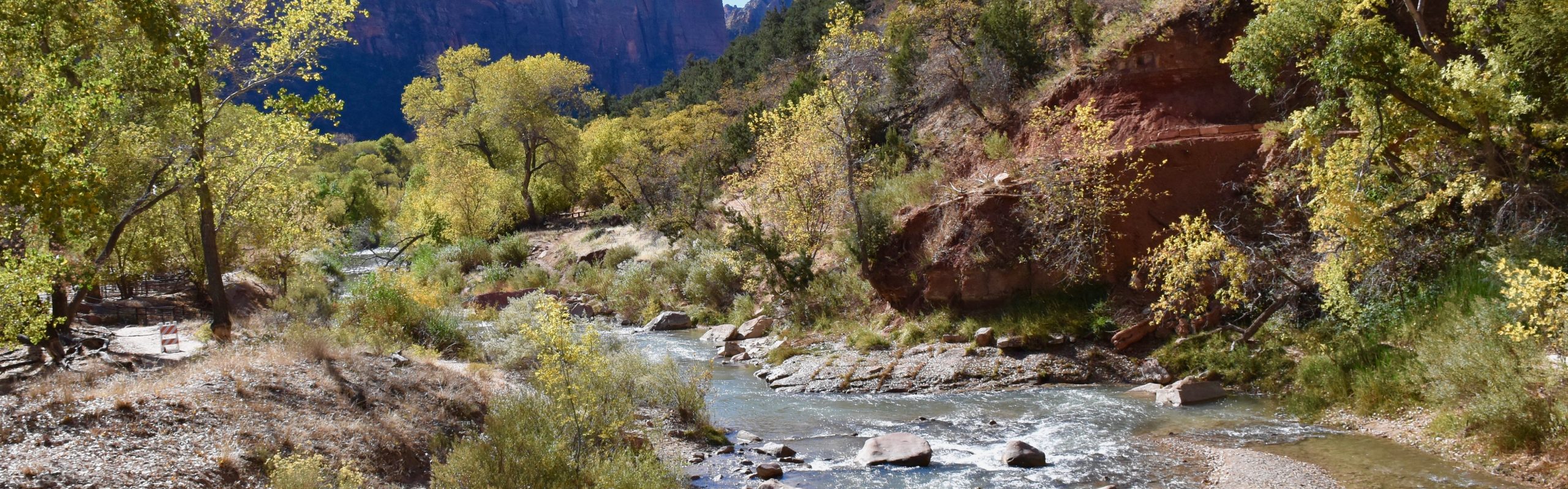
Eco Survey of Rocky Mountain National Park #nps #rockymountains #roadtrip
The Rocky Mountains consist of basically 4 different ecosystems. “Riparian Systems” are located along the water whether it be streams, ponds or lakes in the mountains. These systems consist of a variety of plants, flowers, and grasses that thrive in this moist environment as well as the insects, birds, and mammals that also take advantage of the water for drinking and the plants for eating. The “Montane” is the ecosystem that exists below 9,000 feet. While this is a significant altitude change for a flat-lander like me, it is the lower reaches of the park. It is warmer and there is significant growth of grasses, Aspen tree’s, and Ponderosa Pines. Many grazing animals like Elk take advantage of this area as do squirrels, chipmunks, beavers, and otters. Between 9,000 feet and 11,400 feet we find the “Subalpine Ecosystem”. This is colder than the lower reaches, windier, and gets more solar radiation. This system has more moisture than the upper reaches as snow blows down to it from above. It usually gets up to 30 inches of moisture per year. The “Alpine Tundra” exists above 11,400 feet. This is truly a harsh environment. It is extremely cold and dry and receives powerful winds and intense solar radiation. It has extremely thin soil with limited nutrients. Only the best adapted of plants and animals can survive in this environment. The Bristlecone Pine for example grows with a twisted trunk to make it stronger and able to withstand the strong winds. It is the oldest single living organism on earth. Yellow-bellied Marmots hibernate up here and Pika’s store food all spring and summer to get them through the long, cold winters. Big Horn Sheep graze here in the spring and summer but head to lower climes for the winter months. You will find them licking rocks in order to get minerals for their diet that the limited plant growth does not provide them. This ecosystem is above the tree line which means that tree’s cannot exist in this environment. Tree lines form where the average temperature is approximately 50 degrees on average throughout the year. The thin and nutrient poor soil is also a factor. The growing season here is very short, approximately 6 weeks, so plants are small and tend to flower quickly in order to produce seeds before the snows come, and, to conserve energy. We were here in late June and the first part of July and all the plants at this altitude were in full bloom. Some plants produce a chemical called anthocycanin which is an anti-freeze like pigment that converts sunlight to heat, allowing the plants an adaptive edge against the cold. The Alpine and Subalpine lakes were carved out by glaciers during the last two glaciations.
The east side of the Rocky Mountains are dryer than the west side as the clouds that are heavy with moisture from the Pacific Ocean tend to hang lower and drop their rain on the east side. Because of the dry conditions, increased sunlight while we hiked at the higher altitudes, and the solar radiation, I had a serious case of “split and bleeding lips” that have only now begun to heal a week later and after about a quart of petroleum jelly applications! The intensity of the sun increases 5% for every 1000 feet gained in altitude. Relative to Pequannock, the sun is close to 40-60% stronger on many of the hikes we took.These mountains started to form about 65 million years ago when the Pacific tectonic plate and the North American plate expanded and met. The friction, heat, and pent up forces through the earth up and formed this spine that runs from Canada down into central America. The first record of ancient trappers coming to this region was approximately 11,000 to 12,000 years ago.
There are dozens of amazingly beautiful plants in the park which I’ll post pictures of but I haven’t had the time to identify them yet. One aspect of the park to note is that each afternoon the clouds thicken and there is a short sprinkle/shower.
One upsetting aspect of the park is the devastation to the pine forests that cover the lower mountains by the pine beetle. Hundreds of square miles of these pine forests are dead and the mountains are brown. The pine beetle is not an invasive species. The colder temperatures in the Rockies have basically been able to keep the beetle out of the mountains. With global warming however, the beetle has been able to expand its range further north and the results have been devastating. There are a variety of pine tree’s and the beetle prefers Pole Pines because they have a thinner bark which makes it easier for the beetle to enter the tree and lay its eggs. One possible solution for addressing this issue is to let forest fires take their course. The fires would burn out the dead tree’s and kill the beetles. It would also bring about renewed undergrowth of the forests and allow other tree’s to take root. For instance, Aspens require more sunlight and cannot thrive under a thick canopy of pines. With the dead trees eliminated however, the Aspens would flourish. The Aspens wouldn’t be killed off by the fires either as they have extensive root systems that store water and allow them to re-grow. The only reason that these “controlled burns” are not being allowed to take place however is because many people have been approved permits to build homes and now have expensive home in the mountains. The result is that the forests are not being given the opportunity to regenerate. Much of this information was discussed between myself and a ranger who also happens to live in the park.
Throughout the week while we were here, we had the good fortune to observe and photograph many of the animals that occupy these ecosystems. Many of the grazers like Elk, Deer, and Moose were observed as well as Mountain Goats on Mount Evans which is in the Rockies but south of the park. As I mentioned above, much time was spent searching out and photographing the plethora of flowering plants that thrive in all four ecosystems and even at the Alpine Tundra level, pollinating insects thrived as did birds.
Many of our hikes took us up trails between 8,000 and 11,000 feet. In the lower reaches it was very hot during the day and we welcomed the cool air that blew down the trail when it paralleled rushing streams. Some of the trails we climbed at the higher reaches required us to cross snow fields that would remain there through the summer and into their replenishment as early as September.
As with most of the parks we will visit on this journey, information is gathered through observation of the ecosystems on hikes; conversations with Rangers and park naturalists; Visitor Information Centers that have excellent displays; and information that is made available to visitors and is often included on maps that the parks provide to visitors.


Dear Laurie and Dave,
WOW, what an experience you both are having! I’m following you everyday; enjoying the pictures and your narratives. Dave, you are some scientific writer! Stay save and continue to enjoy your life on the road. I’m with you.
Lou
LikeLike