Claeys Road Diaries
“Of all the paths you take in life, make sure a few of them are dirt" ~John Muir
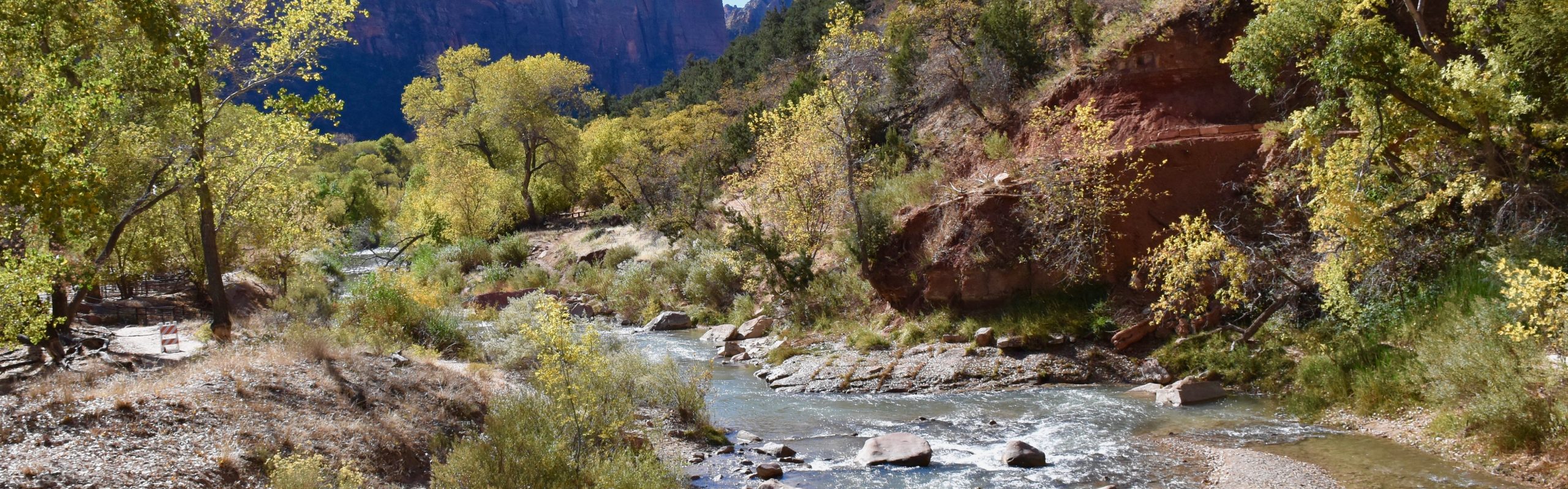
PETRIFIED FOREST CREATED FROM AN ARTISTS PALATE #nps #petrifiedforest


Petrified Forest National Park is one of our last stops before the “Holiday Break” in Las Vegas, as if we actually needed a break from our travels. It will be a great opportunity however to get together with Mike and Matt as well as our relatives there.
As was the case in the other southwest parks like Joshua Tree, Grand Canyon, Zion, Bryce, Capital Reef, Arches, Canyonlands, and Death Valley, the geological landscapes here have just been absolutely spellbinding. As its name implies, here’s where you’ll find a lot of petrified wood but, it’s so much more than that, and, therein lies the problem. I’m running out of adjectives for these parks when I describe our visits. How many times can I say it’s amazing, beautiful, spellbinding, incredible, etc., before their repetition brings into question the use and the descriptive qualities of these words? Are all these parks actually deserving of the descriptions of the highest order? Can they all really be this fantastic? Shouldn’t the word amazing be reserved for the “best”? The answer is YES. Yes, they are all so incredible and yes they are also so jaw dropping amazing and yes they are all different and unique. My previous cross country trips have all been heavy on the mountains and forests and I’ve never really given the deserts and southwest their due, but this trip has definitely included a saturation tour of the southwest and we have been richly rewarded with truly incredible vistas. We’ve spent quite a bit of time in the deserts now and still have more to go after we leave Las Vegas.
All of these southwest parks share one common trait, and that is that you can see the different strata, or layers, of sediment that went into forming the hills and mountains in them. The hills and mountains in these parks are exposed for all to see since the earth here is arid and isn’t shrouded in a blanket of trees. At most you’ll have some random grasses and bushes on them but for all intents and purposes they are “naked” for all to see. Each layer of sediment that went into their formation can be seen through their different colors and make-up. You can have layers of sandstone, limestone, quartz, etc. sandwiched on top of one another and you can have different colors that are often associated with the environment that existed when they were formed. Some are formed from the sand in sea beds, some from an accumulation of microscopic shelled creatures called diatoms, some from volcanic ash, some from swamps and rain forests, etc. The colors can also be attributed to the different minerals that have leached into the layers. The thing is, that each of those layers used to be the surface of the land, prior to the layer of sediment above being deposited and covering it. This continued over and over during millions of years. The more layers that are exposed on the cliffs and sides of the mountains give you a view back millions and millions of years and to what the environment was at that period of time. For me, the unique feature of Petrified Forest, putting the petrified wood aside for a moment, was the different colors of the strata and how clearly separated from each other they were. Nowhere have we seen the blues, purples, reds, yellows, greens, etc. in layered strata as clearly as they were laid down here. No artist could have laid them down better than the hands of the creator. There’s a reason that part of the park is called the Painted Desert! The day was windy and cold but that didn’t detract from the amazing sights we came across throughout the park. The Blue Mesa got its name for a reason and the blues and purples were another distinct feature here, formed from different compounds containing manganese. The petrified wood also took on combinations of incredible colors which again, were due to the various minerals that went into their formations. Back when the land surfaces of the planet were all attached to each other in what was called Pangea, the land which is now Arizona, was actually located near the equator where Costa Rica is currently located. Back then, Arizona was covered in tropical forests. After the continents separated, North America headed north and settled in its current location. Over millions of years, “Arizona” underwent numerous ecological changes that resulted in the different layers of sediment to accumulate. As pointed out above, some was sand from oceans, some from volcanoes, etc. During this stretch of time, tree’s fell and were covered by the next layer of sediment. This was important the process of petrification of the wood. The next layer of sediment that covered the trees prevented its decomposition by protecting it from insects and also keeping oxygen from it which prevented bacteria and fungi from breaking it down. Because the tree’s were being covered with sediment, they were also under water. Water soaked into the wood carrying along with it a variety of minerals which included silica from volcanic ash. Eventually, the oceans receeded and the wood dried out. The silica, which is the element that forms volcanic glass, crystallized in what was the wood and these crystals took on the various colors of the other minerals in the water like manganese and iron, etc. The petrified wood is actually no longer wood but colored, crystallized silica. The colors in the petrified wood here in the National Park were really beautiful and not all petrified wood in other locations in the world are necessarily as richly colored as it is here. This petrified wood though was under layers of sediment above it. Enter erosion. The layers above the petrified wood as “softer” and easier to wash away with rain and flash floods. Eventually the layers above were washed away but the crystallized petrified wood was much harder and less likely to erode, which is why its still here while the layers above it aren’t. The park also contained some beautiful examples of petroglyphs, which are symbols or designs that have been carved or scratched into the surface of rock by ancient peoples in this area. The petroglyphs in this park were most likely made by American Indians from the Hopi, Zuni, and/or Navajo tribes. Petrified Forest National Park is also the only national park that contains sections of Rt. 66, the iconic American highway that ran from Chicago to Los Angeles. Before highways like Rt. 80 and others were constructed, this was the first that was the corridor by which thousands of individuals from the mid-west and southwest made their way to the sunshine state of California. A 1932 Studebaker is still there and the original highway is noted by the original line of telephone poles that once paralleled it. As has been the case with the previous 25 National Parks we’ve visited so far, this park provided a rich education in nature, ecology, history, and culture and another reason to support and protect our national parks and monuments.
 Claeys Road Diaries